The ClubHouse: A Place of Refuge During the AIDS Crisis of the 80s
When you think of a nightclub or discotheque, you probably picture dancing, meeting new people, and having a good time. But did you know that some nightclubs also played a big role in activism? In fact, gay nightclubs in Washington, D.C. during the late 20th century became a lifeline for the Black LGBTQ+ community—offering safe spaces, solidarity, and crucial support during times of need.
Amidst the AIDS crisis in the 1980s, The ClubHouse was a perfect example.
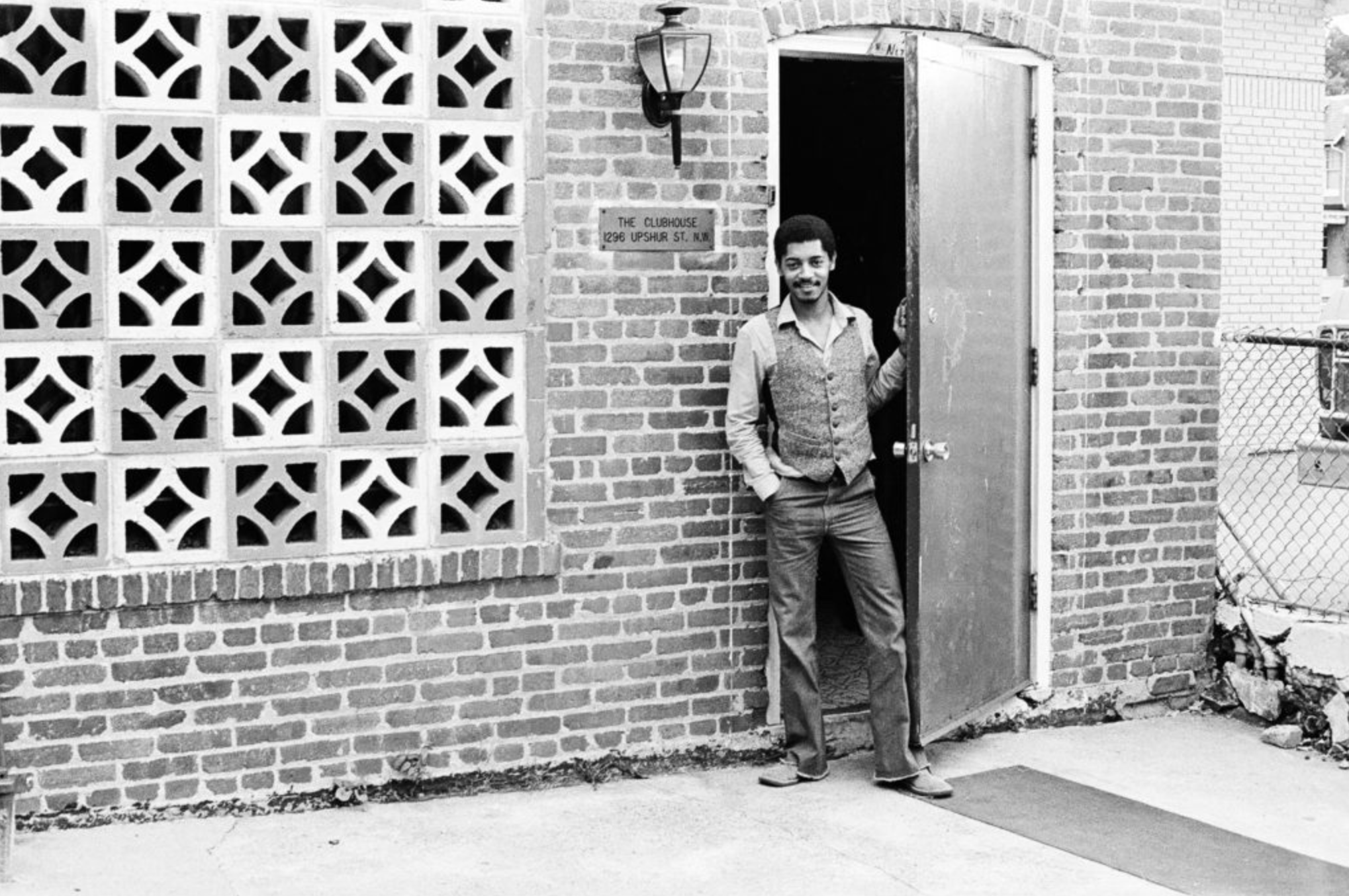
Located at 1296 Upshur St., NW, The ClubHouse was the brainchild of the Metropolitan Capitolites (MCs), a Black gay social group that had been hosting house parties for DC’s LGBTQ+ community since the 1960s. 1 As these parties grew in popularity, they moved to local bars like the Zodiac Den and the Third World. But soon those spaces became too small, and MC leaders set their sights on something bigger. 2 In 1974, they found a former garage and warehouse on Upshur Street and The ClubHouse opened the following year. 3
Racism and segregation existed inside of the LGBTQ+ community just as they did the rest of society. Black queer people struggled to find safe spaces within their own communities. The ClubHouse sought to change that. Aundrea Scott, one of the club's founding members, shared that Black people were often turned away from downtown nightclubs, forced to wait in line without being let in. "The ClubHouse opened to give African Americans a place to go." 4 ClubHouse memberships were free but difficult to come by. Potential members underwent a detailed interview process with management, so members often brought sponsored guests whose behavior they vouched for. 5
The ClubHouse quickly became a beacon of belonging for the Black queer community. Along with Aundrea Scott, other key founders included Paulette Scott, John Eddy, Chasten Morell, and Rainey Cheeks. 6 It became the first minority owned gay nightclub in DC, and membership soon grew from 400 to 4,000. 7 “We opened the ClubHouse and we grew so fast it made our heads spin,” Scott recalled. 8
The club's popularity was clear, with lines of up to 800 people outside on any given weekend. 9 “It's black-owned, but it wasn't about being black. It wasn't about being gay," Scott told the Washington Post in 1990. "It was about belonging, having pride and feeling like you were somebody." Added Ellis Faith, Washington bureau chief of BG Magazine, "Dancing has always been a form of Black self-expression. It’s a way of throwing off the shackles." 10
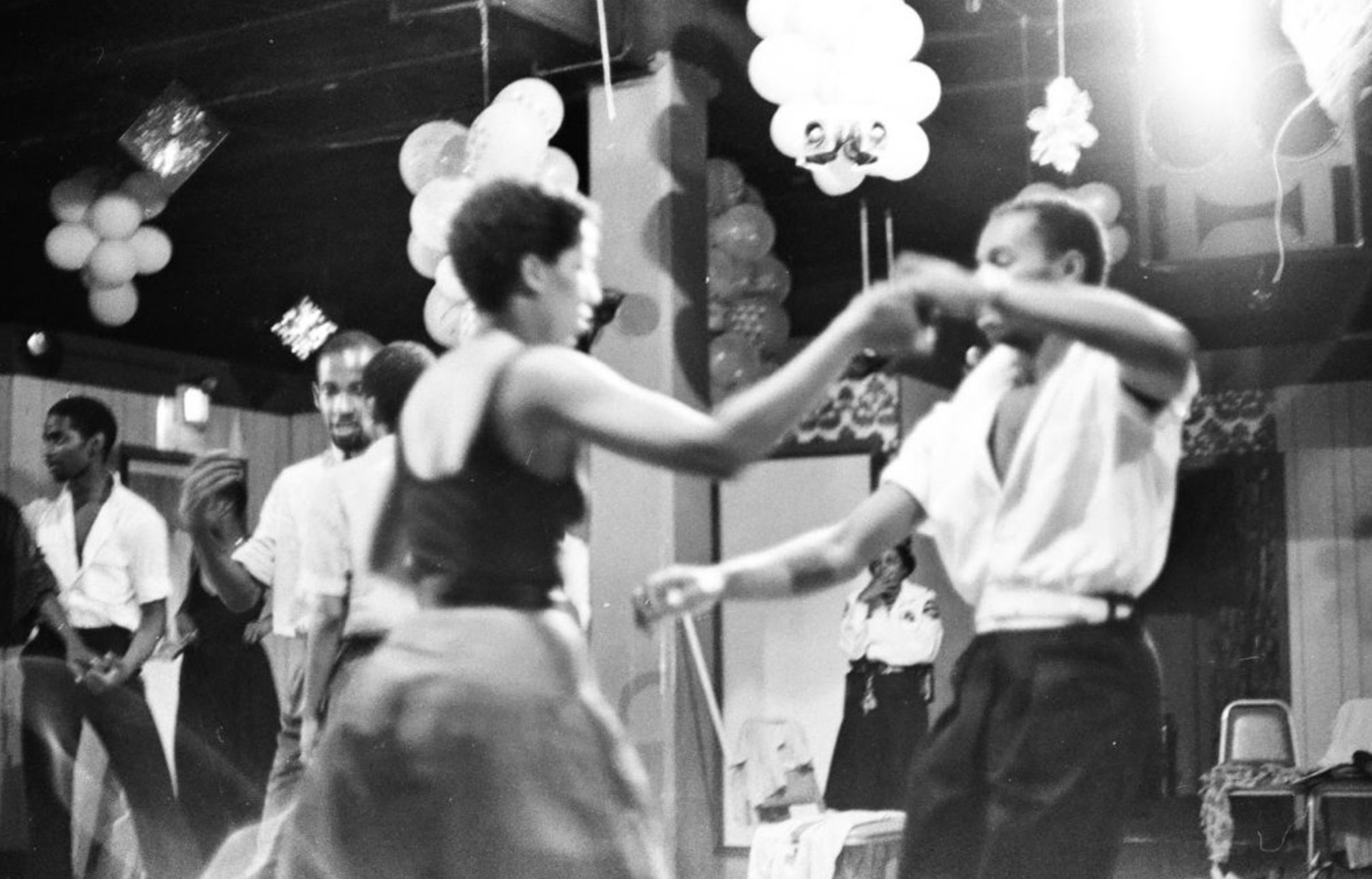
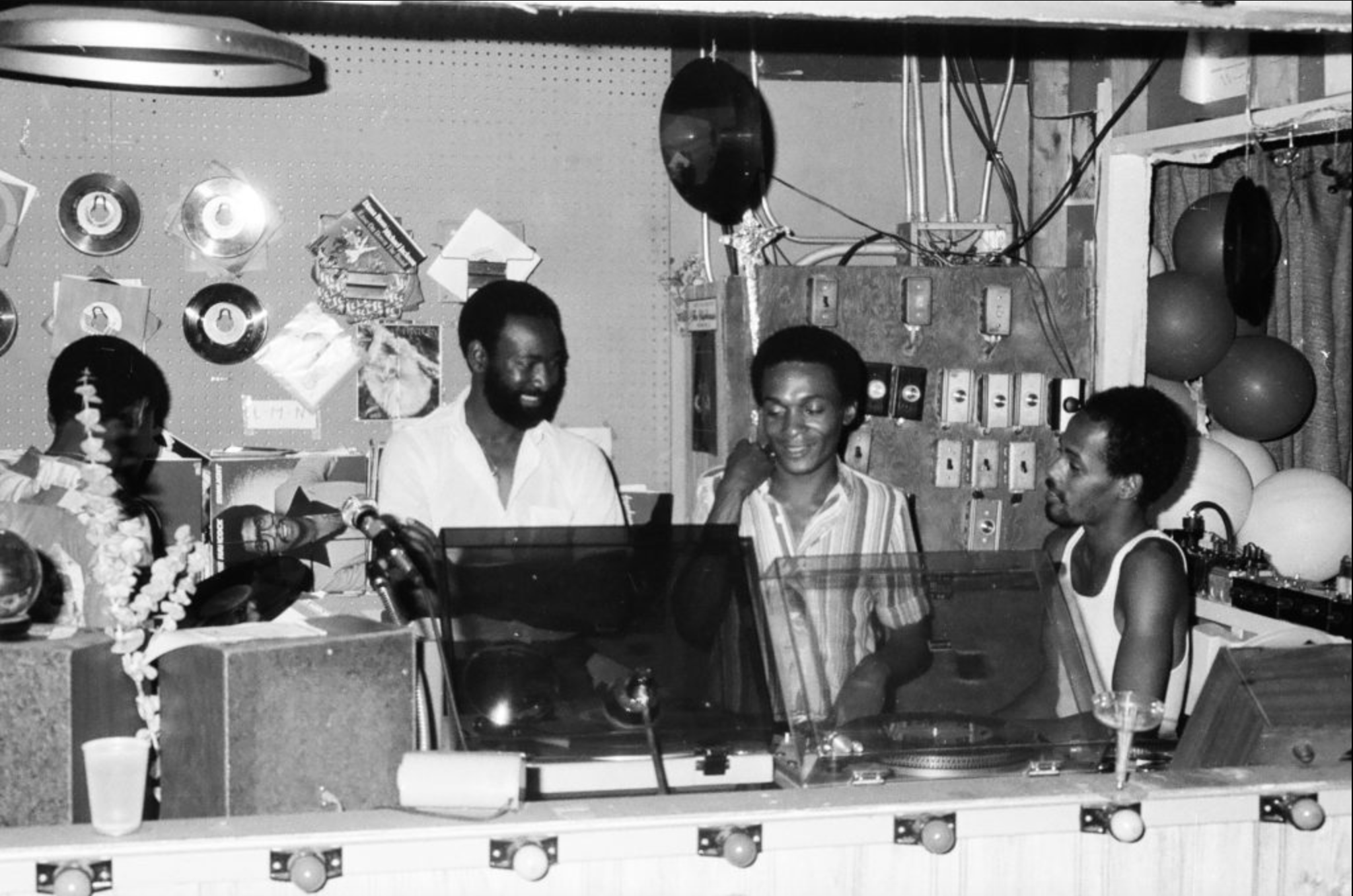
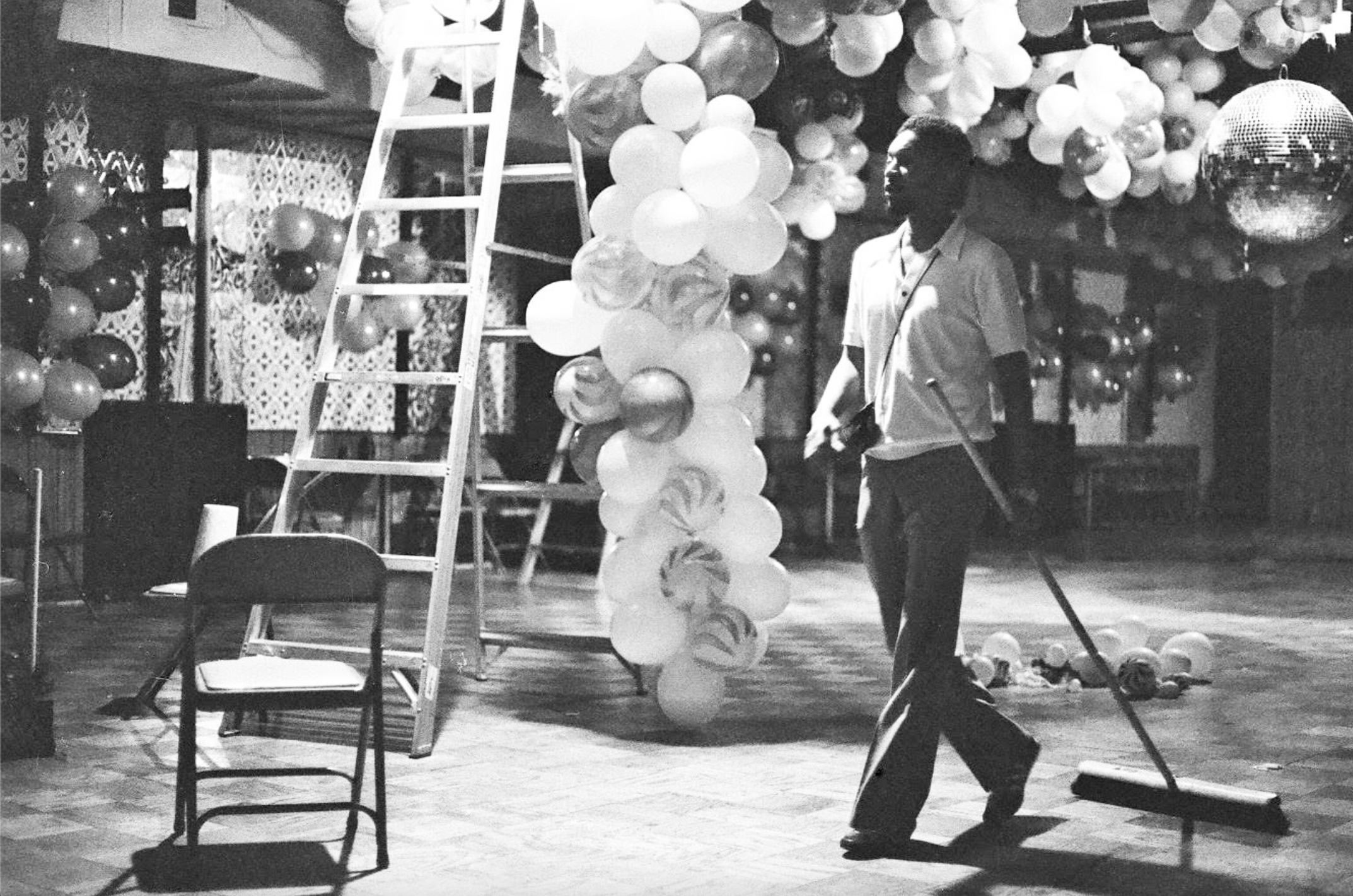
The ClubHouse offered events for seemingly every occasion—themed dance nights, Halloween parties, Mother’s Day celebrations, church events, guest DJ sets, and, most famously, an annual Memorial Day Sunday dance party called ‘Children’s Hour.’ Children’s Hour brought the queer Black community from all over the country to the ClubHouse. Every year, the party boasted new, eclectic themes like “A Trip to the Ozone,” Ancient Egypt, or “A Trip to Oz.” 11 JayJay Tate, one of The ClubHouse’s regular DJs, reminisced, “It [The ClubHouse] was my playground.” 12
But The ClubHouse was more than just a place to party. It became a space where the Black LGBTQ+ community could find political action, access to valuable resources, and personal connection during trying times.
The AIDS epidemic hit the US hard. Between 1981 and 1990, the CDC reported 100,777 AIDS-related deaths in total, but the disease disproportionately impacted gay men. 13 It especially affected those from marginalized communities who had limited access to resources and whose cases often went underreported. This meant that the Black LGBTQ+ community faced serious public health challenges with little to no support. 14
By 1985, The ClubHouse had lost nearly 300 members to AIDS. Managers and founders noticed smaller and smaller attendance. Nights that had once boasted 800 guests dwindled down to 75. 15 Familiar faces stopped showing up, and invitations to parties were returned-to-sender. 16 Aundrea Scott remembered, "… the sudden realization that this was happening in the black community began to slap people in the face." 17 Rayceen Pendarvis, another LGBTQ+ activist, told WUSA9, "When it hit us, we weren't ready. So, when it hit us, it hit us quickly and then we had to move and we had to pivot.” 18
The sudden realization of AIDS’ impact spurred The ClubHouse’s leaders into action. The nightclub had already hosted political events for local politicians, including Mayor Marion Barry. 19
So, the club began hosting AIDS-related events to share relevant information with DC’s Black queer community.
In September 1983, The ClubHouse hosted a “first-of-a-kind AIDS forum.” 20
With funding from the Whitman Walker Clinic’s AIDS education fund and the DC coalition of Black Gays, the ClubHouse became the site of the AIDS Forum for Black and Third World Gays – “one of the first times during the AIDS crisis that public health workers reached out to the African American community.” 21
The club’s involvement with the AIDS crisis didn’t stop there. At the height of the epidemic, Rainey Cheeks used The ClubHouse for meditation and self-help workshops for people living with HIV/AIDS. 22
Then, Cheeks, Aundrea Scott, Howard Morris, and Dr. Prem Deben organized Us Helping Us (UHU), which met regularly at The ClubHouse from 1985 to 1990. UHU took inspiration from Cheeks’ workshops and offered holistic treatments for HIV/AIDS patients. 23
The organization is still active today after shifting its focus to AIDS education and prevention. 24
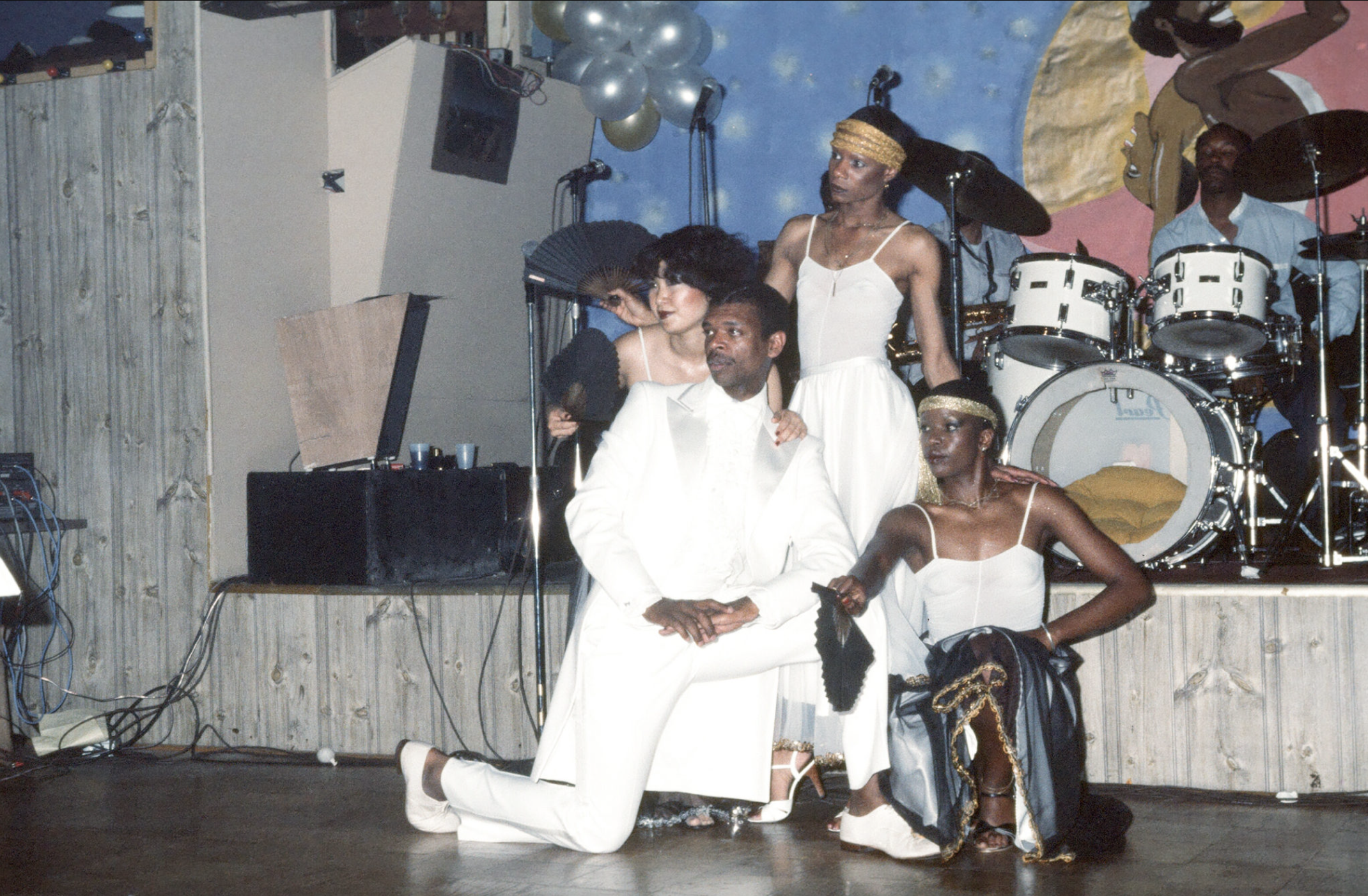
Despite these efforts, The ClubHouse faced huge losses. By 1990, it had lost nearly half of its membership. With dwindling resources, The ClubHouse closed its doors for good in 1990. 25 But while the club closed, its legacy continued strong.
Aundrea Scott began directing the Inner-City AIDS Network to fight for increased HIV/AIDS funding and support in African American communities. 26 Rainey Cheeks, a bishop at Inner Light Ministries, incorporated AIDS education into his sermons and even offered testing after Sunday services. 27
Inspired by the Memorial Day ‘Children’s Hour’ event, former ClubHouse members and staff organized the first-ever Black gay pride event on Memorial Day weekend in 1991. Held at Banneker Field across from Howard University, the event raised money for those living with AIDS and laid the foundation for what is now known as DC Black Pride—an annual celebration still held every Memorial Day weekend.
Today, The ClubHouse’s warehouse is home to the DC Vet Center. 28 But while The ClubHouse may no longer exist, its impact on the Black LGBTQ+ community and its role in AIDS activism is still worth celebrating.
Footnotes
- 1
Amber Bailey “Historic American Buildings Survey: 1296 Upshur St., NW (The Clubhouse),” National Park Service, HABS No. DC-884. 2016.
- 2
SmallerWonderMedia, “ClubHouse Trailer,” YouTube, October 19, 2020.
- 3
Amber Bailey “Historic American Buildings Survey: 1296 Upshur St., NW (The Clubhouse),” National Park Service, HABS No. DC-884. 2016.
- 4
Louis Berger, “Historic Context Statement for Washington's LGBTQ Resources,” DC Preservation, September 2019.
- 5
- 6
- 7
“The ClubHouse, 1975-1990,” Rainbow History Project, 2005.; Aja Hannah, “A new nightclub continues a long legacy for Washington D.C.’s Black gay community,” thegrio, March 3, 2024.; DC Historic Preservation Office, “Civil Rights Site: Civic and Social Life - The Clubhouse,” DC Historic Sites, accessed June 12, 2026.
- 8
Sidney Brinkley, “”The Clubhouse plans on ‘going out in style,’ The Washington Blade. May 25, 1990. 1.
- 9
Amber Bailey “Historic American Buildings Survey: 1296 Upshur St., NW (The Clubhouse),” National Park Service, HABS No. DC-884. 2016.
- 10
Roxanne Roberts, “Last Call at the ClubHouse,” The Washington Post, May 27, 1990.
- 11
- 12
SmallerWonderMedia, “ClubHouse Trailer,” YouTube, October 19, 2020.
- 13
- 14
- 15
Sidney Brinkley, “The Clubhouse plans on ‘going out in style,’" The Washington Blade. May 25, 1990. 1.
- 16
Larry Thompson, “Not One, But Several Epidemics,” The Washington Post, June 18, 1990.
- 17
Larry Thompson, “Not One, But Several Epidemics,” The Washington Post, June 18, 1990.
- 18
- 19
Larry Thompson, “Not One, But Several Epidemics,” The Washington Post, June 18, 1990.; Amber Bailey “Historic American Buildings Survey: 1296 Upshur St., NW (The Clubhouse),” National Park Service, HABS No. DC-884. 2016.
- 20
Lisa Keen, “First-of-a-kind AIDS forum for black Gays held at Clubhouse,” The Washington Blade, September 30, 1983. 17.
- 21
Amber Bailey “Historic American Buildings Survey: 1296 Upshur St., NW (The Clubhouse),” National Park Service, HABS No. DC-884. 2016.
- 22
Amber Bailey “Historic American Buildings Survey: 1296 Upshur St., NW (The Clubhouse),” National Park Service, HABS No. DC-884. 2016.
- 23
- 24
“The ClubHouse, 1975-1990,” Rainbow History Project, 2005.; “About Us,” Us Helping Us, People into Living.
- 25
“The ClubHouse, 1975-1990,” Rainbow History Project, 2005.; Aja Hannah, “A new nightclub continues a long legacy for Washington D.C.’s Black gay community,” TheGrio, March 3, 2024.
- 26
Roxanne Roberts, “Last Call at the ClubHouse,” The Washington Post, May 27, 1990.; Patrice Gaines-Carter, “Expanded Services on AIDS Urged,” The Washington Post, December 9, 1990.
- 27
Alyssa A. Botelho, “Bishop Rainey Cheeks and his church work with gay, black HIV-positive people.” The Washington Post. July 23, 2012.
- 28
Amber Bailey “Historic American Buildings Survey: 1296 Upshur St., NW (The Clubhouse),” National Park Service, HABS No. DC-884. 2016.
![Sketch of the mythical fuan by Pearson Scott Foresman. [Source: Wikipedia]](/sites/default/files/styles/crop_320x320/public/2023-10/Goatman_Wikipedia_Faun_2_%28PSF%29.png?h=64a074ff&itok=C9Qh-PE1)