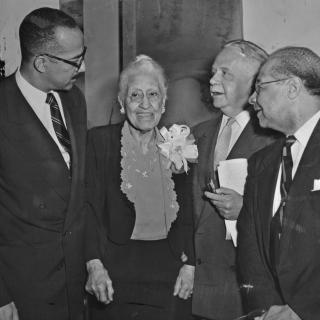
In 1960, a new drug called thalidomide arrived for review at the FDA. Assuming the popular European drug would be a routine application, supervisors assigned its approval to their newest hire, Dr. Frances Kelsey. The drug's manufacturers claimed total safety and zero side effects, but Dr. Kelsey stood firm, demanding clinical data to prove their claims. And, in doing so, saved the United States from a public health catastrophe.
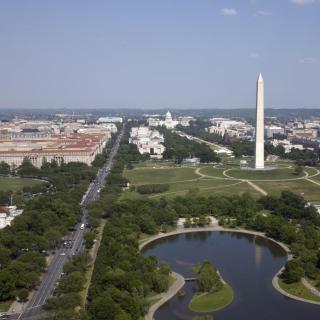
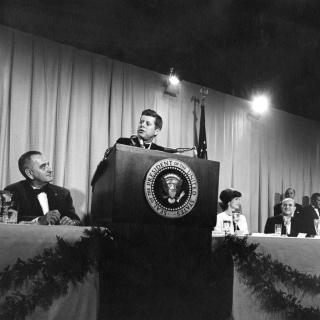
Shortly before midnight on Friday, July 2, 1915, police responded to the U.S. Capitol where an explosion had just rocked the Senate wing. Fortunately they found no fatalities – a byproduct of the fact that Congress was not in session and the building was lightly staffed at night. But, there was plenty of carnage and, obviously, great concern about security.
The next evening, Washingtonians opened their Evening Star newspaper to find a peculiar letter under the headline, “Letter Received by the Star Thought to Have Bearing on the Explosion.” The diatribe began, “Unusual times and circumstances call for unusual means.”


![Sketch of the mythical fuan by Pearson Scott Foresman. [Source: Wikipedia]](/sites/default/files/styles/crop_320x320/public/2023-10/Goatman_Wikipedia_Faun_2_%28PSF%29.png?h=64a074ff&itok=C9Qh-PE1)