Operation Monopoly: The FBI’s Ill-Fated Attempt to Tunnel Under the Soviet Embassy
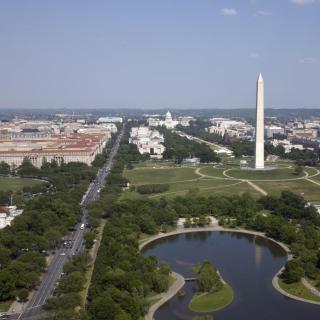
Washington, D.C., has a long history of espionage activity, especially during the Cold War as U.S. and Soviet agents shadowed each other throughout the city’s streets, parks, and alleyways. But, in a plotline not even James Bond author Ian Fleming could have cooked up, one of the most audacious and ill-fated attempts at spying in D.C. took place almost entirely underground.
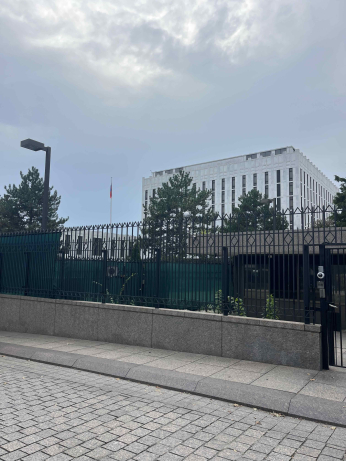
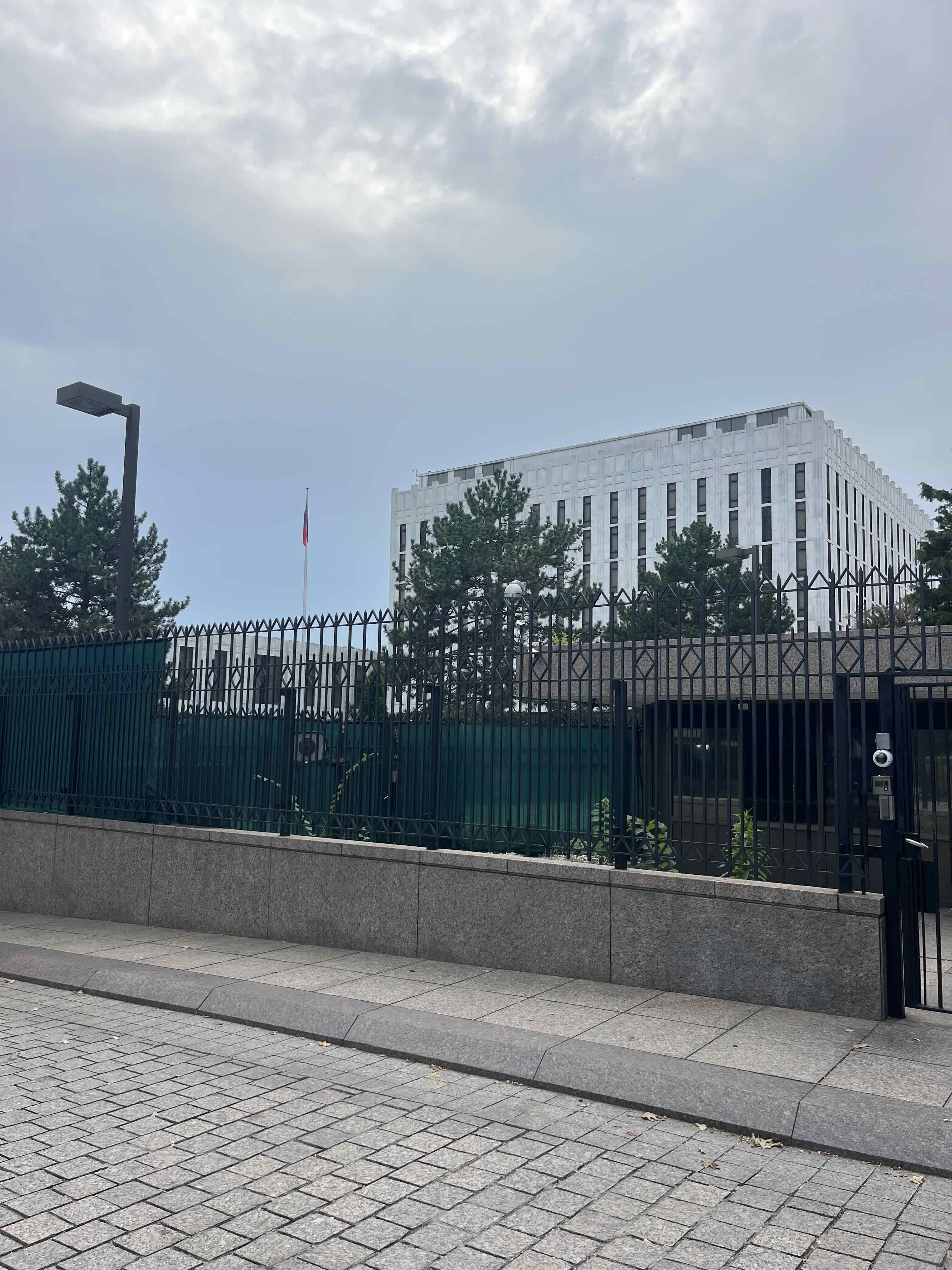
Starting in 1977, the Federal Bureau of Investigation (FBI) spent over a decade and hundreds of millions of dollars constructing a tunnel below the Soviet Embassy in Northwest Washington's Glover Park neighborhood. 1 Despite its massive price tag (reportedly triple the cost of the entire Soviet compound), the eavesdropping effort—codenamed Operation Monopoly—produced mostly a comedy of errors rather than any valuable intelligence for the feds. 2
By the 1970s, the Americans and the Soviets had already been spying on each other’s respective embassies for decades. Just before the close of World War II, a Soviet youth group presented Averell Harriman, U.S. ambassador to the Soviet Union, with a carved wooden Great Seal of the United States as a “gesture of friendship.” 3 In reality, the seal contained a covert listening device concealed just under the eagle’s beak that picked up political and military intelligence as it hung on the wall of the ambassador’s Moscow study for nearly seven years until its discovery. 4
The “Great Seal bug” was just the tip of the iceberg. More than 40 other listening devices were discovered inside the walls of the U.S. embassy in 1964. 5 In 1979 the Americans began construction on a new embassy but with the help of Soviet work crews, who secretly planted bugs throughout the building and even spelled out “CCCP”—the Cyrillic initials for USSR—on its brick facade. 6 So many bugs were eventually discovered that U.S. experts declared the facility unusable, staff were evacuated, and it had to be largely rebuilt for $240 million. 7
Back in D.C., the Soviets had kicked off work on a new embassy of their own on a 12-acre plot between Wisconsin Avenue and Tunlaw Road NW that had previously housed the Mount Alto Veterans Hospital. 8 U.S. intelligence officials were horrified when the State Department—who apparently hadn’t asked for input—turned over land on Washington’s second highest hill to the Soviets. 9 From that vantage point, it would be technically possible to intercept communications from the White House, Capitol, State Department, Pentagon, and even the CIA itself. 10
To preempt any such Soviet activity, the intelligence community decided it had to act quickly. FBI agents asked General Services Administration (GSA) regional administrator John Galuardi if he could send workers to cut down three trees along the perimeter of the Mount Alto property (to presumably give agents a clear view into the grounds). 11 To avoid suspicion, the work crew made it look like they were planting new grass seed where the tree stumps had once been, before Soviet architects arrived and noticed the bald patches. 12
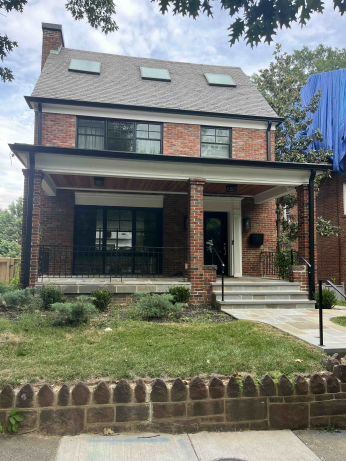
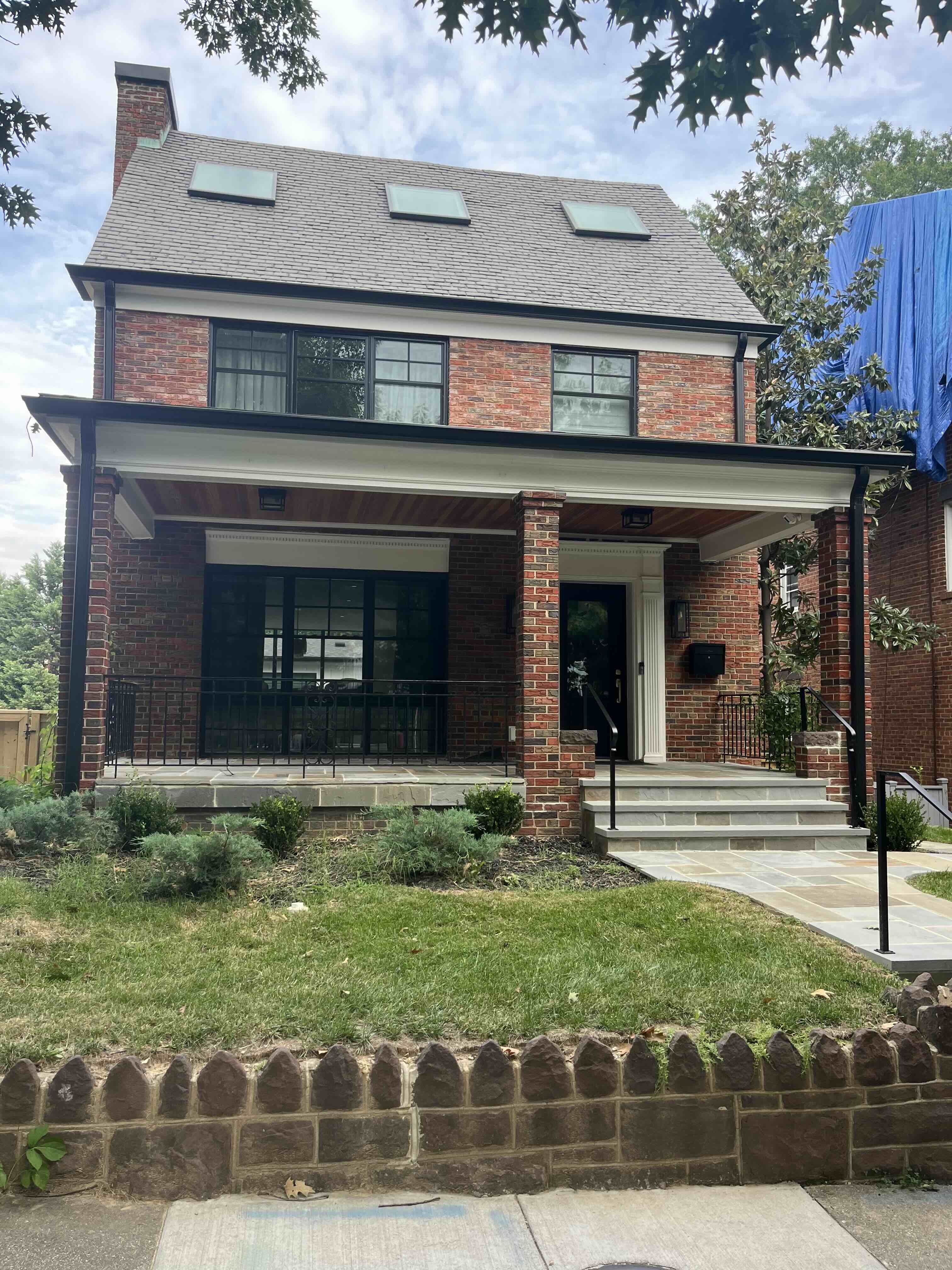
As embassy construction began in 1977, the FBI recruited more workers to help plant bugs inside the new building and assess its layout. 13 Agents also allegedly began using a red-brick Colonial-style house directly across the street at 2619 Wisconsin Avenue as an observation post to keep tabs on Soviet personnel entering and leaving the site. 14
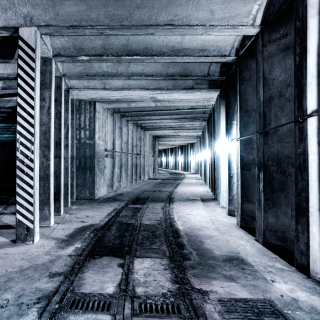
Before long, an even more ambitious plan emerged: Operation Monopoly. The FBI hoped that by tunneling beneath the embassy from an adjacent property they could tap into Soviet telephone cables and use National Security Agency (NSA)-provided spytech to listen into sensitive chatter in the building above them. The project wasn’t without precedent—in the 1950s the CIA and Britain’s MI6 had tunneled under Soviet-occupied Berlin to record military telephone calls as part of Operation Gold and in 1978 the NSA discovered a Soviet tunnel full of listening equipment below the old U.S. embassy in Moscow. 15
Unfortunately for the G-men, Operation Monopoly was plagued with problems from the onset. For starters, the tunnel wasn’t watertight and would constantly leak. 16 Workers also reportedly had to contend with pockets of methane gas as they inched towards the compound. 17 Most troubling of all from an intelligence-gathering perspective, the Americans couldn’t tell from the embassy’s blueprints where exactly underneath the site they were digging.
“The problem was, you didn't know where you were going to come up,” one FBI worker explained. 18 “We had the plans, but you don't know what a room is used for. It might end up being a Xerox room or a storage room. What you want is a coffee room where people talk. Or a secure room where they think no one can hear them.”
The Americans also had to contend with other engineering problems, like how to remove all the excavated dirt without drawing too much attention and the difficulty of aiming high-tech laser beams upward (the lasers may have been used to pick up vibrations from Soviet ciphering machines in an effort to decode them). 19
“'I had some doubts about some of the technology that was used, but technocrats controlled everything during the Cold War,'' one official with direct knowledge of the operation later told The Washington Post. 20 Whatever intelligence the tunnel did cough up, the official “didn't think it was great.” 21
Meanwhile above ground, the Soviets were well aware that the embassy would be a prime target for American eavesdroppers and took active countermeasures, including inserting sensors 40-feet below the embassy’s foundations to monitor for tunnels. 22 The embassy’s walls were made from thick cuts of marble to prevent bugs from being planted inside building materials. 23 Windows were carefully taken apart and reassembled prior to installation to check for listening devices. 24
In January 1980, the Soviets publicly announced they had found listening devices in a recently-completed residential building for embassy employees at the Mount Alto site (presumably the ones planted by all those workers the FBI had originally recruited). 25 One Russian newspaper reported the bugs would have let American spies listen to “every sound, from a word spoken in the drawing room to a whisper in the bedroom or a splash of water in the toilet.” 26
Unbeknownst the Americans, the Soviets would also soon find out Operation Monopoly itself. By around 1985, FBI counterintelligence agent turned KGB informant Robert Hanssen had disclosed the existence of the tunnel to his Soviet handlers. 27 This revelation gave the Soviets and later Russians, who took over the embassy following the dissolution of the USSR in 1991, plenty of time to deploy countermeasures and helps explain why some of the NSA tech might not have worked as intended.
Blissfully unaware of Hanssen’s betrayal, the FBI kept pouring resources into the tunnel project. In fact, the Bureau was so proud of the operation that they even started offering tours of the tunnel to “senior officials with top security clearances,” according to later Washington Post reporting (the article doesn’t mention whether the FBI told those officials to bring umbrellas). 28
Only after Hanssen’s arrest in February 2001 did the American public first learn about Operation Monopoly. 29 Count 2 of Hanssen’s indictment alleged that in October 1985 he sent his Soviet handlers a letter revealing the “existence of an FBI technical penetration of a particular Soviet establishment, as well as the specific location of the penetration device, and the methods and technology utilized, which information was classified TOP SECRET, and directly concerned communications intelligence”—a direct reference to Operation Monopoly, according to U.S. officials interviewed by The New York Times for a March 2001 front-page story about the tunnel. 30
The Russians, who had long known about their underground neighbors at the embassy, feigned outrage after the news broke. “If these reports prove true, this will be a flagrant case of the violation of generally recognized standards of international law concerning foreign diplomatic missions,” the Russian Foreign Ministry said in a public declaration, which neglected to mention the Soviet’s own tunneling efforts. 31
While some U.S. officials expressed surprise at the operation, others shrugged it off. “That's tit for tat,'' said James C. Miller III, budget director for President Ronald Reagon from 1985 to 1988, when asked by the Post about the tunnel. 32 “They put communications devices in the construction material for our embassy in Moscow.''
The exact location of the tunnel’s entrance remains a mystery. Many Glover Park residents insist it’s inside the “spy house” on Wisconsin Avenue across from the embassy’s main gate. 33 Other guesses include a now-demolished house behind the embassy’s back fence or a storage unit in the basement of a condo on Tunlaw Road. 34 Whatever the case, once Operation Monopoly’s futility finally became apparent the FBI sealed over the entryway with cement. 35
While the tunnel itself wasn’t confirmed until 2001, local Washingtonians knew that Global Park had been abuzz with spy activity for years. Government agents driving unmarked sedans arrived at the Wisconsin Ave house in regular shifts until the early 2010s. 36 If the sun hit the house’s tinted skylights just right, you could catch a glimpse of a camera pointed towards the embassy, one neighbor said. 37
“I just love the spy-versus-spy stuff that happens quietly throughout Washington,” another Glover Park resident told Washingtonian in 2023. 38 “Including very close to where you live.”
Footnotes
- 1
“5 spy tunnels from around the world,” The Week, January 8, 2015.
- 2
Sylvie McNamara, “The Spy House Next Door,” Washingtonian, July 13, 2023.
- 3
Ben Macintyre, “Embassies are always hotbeds of espionage,” The Times, August 8, 2025.
- 4
Ben Macintyre, “Embassies are always hotbeds of espionage,” The Times, August 8, 2025.
- 5
Ben Macintyre, “Embassies are always hotbeds of espionage,” The Times, August 8, 2025.
- 6
Peter Grier, “Cleaning the Bug House,” Air Force Magazine (September 2021): 99.
- 7
Peter Grier, “Cleaning the Bug House,” Air Force Magazine (September 2021): 102.
- 8
John Kelly, “What lies beneath? FBI tunnel in Glover Park heated up the Cold War,” The Washington Post, February 27, 2016.
- 9
Sylvie McNamara, “The Spy House Next Door,” Washingtonian, July 13, 2023.
- 10
Sylvie McNamara, “The Spy House Next Door,” Washingtonian, July 13, 2023.
- 11
John Kelly, “What lies beneath? FBI tunnel in Glover Park heated up the Cold War,” The Washington Post, February 27, 2016.
- 12
John Kelly, “What lies beneath? FBI tunnel in Glover Park heated up the Cold War,” The Washington Post, February 27, 2016.
- 13
Ben Macintyre, “Embassies are always hotbeds of espionage,” The Times, August 8, 2025.
- 14
Sylvie McNamara, “The Spy House Next Door,” Washingtonian, July 13, 2023.
- 15
Ben Macintyre, “Embassies are always hotbeds of espionage,” The Times, August 8, 2025; John Kelly, “What lies beneath? FBI tunnel in Glover Park heated up the Cold War,” The Washington Post, February 27, 2016.
- 16
Sylvie McNamara, “The Spy House Next Door,” Washingtonian, July 13, 2023.
- 17
“Inside The Spy Tunnel,” Newsweek, March 18, 2001.
- 18
David Wise, Spy: The Inside Story of How the FBI's Robert Hanssen Betrayed America (Random House Publishing Group), 104.
- 19
Vernon Loeb and David A. Vise, “How U.S. built spy tunnel,” The Washington Post, March 4, 2001.
- 20
Vernon Loeb and David A. Vise, “How U.S. built spy tunnel,” The Washington Post, March 4, 2001.
- 21
Vernon Loeb and David A. Vise, “How U.S. built spy tunnel,” The Washington Post, March 4, 2001.
- 22
Ben Macintyre, “Embassies are always hotbeds of espionage,” The Times, August 8, 2025; John Kelly, “What lies beneath? FBI tunnel in Glover Park heated up the Cold War,” The Washington Post, February 27, 2016.
- 23
Ben Macintyre, “Embassies are always hotbeds of espionage,” The Times, August 8, 2025; John Kelly, “What lies beneath? FBI tunnel in Glover Park heated up the Cold War,” The Washington Post, February 27, 2016.
- 24
Ben Macintyre, “Embassies are always hotbeds of espionage,” The Times, August 8, 2025; John Kelly, “What lies beneath? FBI tunnel in Glover Park heated up the Cold War,” The Washington Post, February 27, 2016.
- 25
John Kelly, “What lies beneath? FBI tunnel in Glover Park heated up the Cold War,” The Washington Post, February 27, 2016.
- 26
John Kelly, “What lies beneath? FBI tunnel in Glover Park heated up the Cold War,” The Washington Post, February 27, 2016.
- 27
Wise, 107.
- 28
Vernon Loeb, “FBI Offered Officials Tours of Secret Tunnel Under Soviet Embassy,” The Washington Post, March 10, 2001.
- 29
John Kelly, “What lies beneath? FBI tunnel in Glover Park heated up the Cold War,” The Washington Post, February 27, 2016.
- 30
“United States of America v. Robert Philip Hanssen,” U.S. District Court for the Eastern District of Virginia, Alexandria Division, May 16, 2001.
- 31
John Kelly, “What lies beneath? FBI tunnel in Glover Park heated up the Cold War,” The Washington Post, February 27, 2016.
- 32
Vernon Loeb and David A. Vise, “How U.S. built spy tunnel,” The Washington Post, March 4, 2001.
- 33
Sylvie McNamara, “The Spy House Next Door,” Washingtonian, July 13, 2023.
- 34
Sylvie McNamara, “The Spy House Next Door,” Washingtonian, July 13, 2023.
- 35
John Kelly, “What lies beneath? FBI tunnel in Glover Park heated up the Cold War,” The Washington Post, February 27, 2016.
- 36
Sylvie McNamara, “The Spy House Next Door,” Washingtonian, July 13, 2023.
- 37
Sylvie McNamara, “The Spy House Next Door,” Washingtonian, July 13, 2023.
- 38
Sylvie McNamara, “The Spy House Next Door,” Washingtonian, July 13, 2023.
![Sketch of the mythical fuan by Pearson Scott Foresman. [Source: Wikipedia]](/sites/default/files/styles/crop_320x320/public/2023-10/Goatman_Wikipedia_Faun_2_%28PSF%29.png?h=64a074ff&itok=C9Qh-PE1)