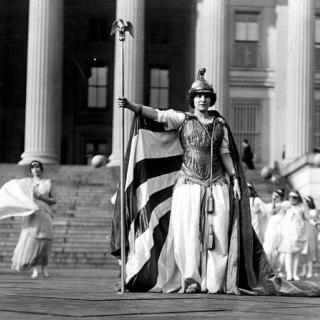
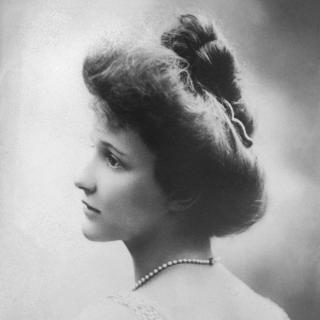
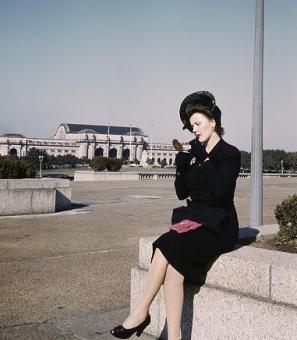
Most 16-year-old girls dream of being popular. And while some can claim to be the queen bees of their high schools, not many can maintain that they are the most popular girl in the country. In 1921, though, Margaret Gorman could. Fresh out of her junior year at Western High School (later the Duke Ellington School of the Arts) in Georgetown, Margaret went from being a regular teenager to the best-known girl in the nation when Atlantic City judges crowned her the first Miss America.
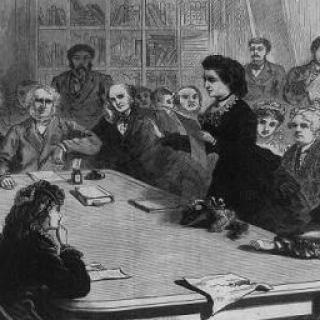
Hillary Clinton may have been the first woman to win a major party's presidential nomination. However, she is far from the first woman to run for president. That distinction belongs to Victoria Woodhull, a spiritualist, suffragist, and stockbroker who ran for president on the Equal Rights ticket in 1872. We look into her campaign and her visit to DC in order to argue for women's suffrage before the House Judiciary Committee.
Elizabeth Keckley rose from slave to the Lincoln White House thanks to her supreme skill as a dressmaker. Her autobiography provides one of the most powerful accounts of the First Family's personal lives.
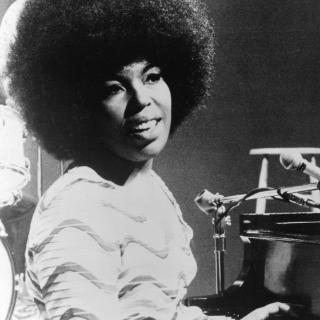
Before she topped the charts and won Grammys, Roberta Flack was a humble music teacher from Arlington, Virginia with a velvet voice and fierce perfectionism. Discover how Capitol Hill nightclub Mr. Henry’s became the launchpad for her legendary career.
April 1922 was a busy time for Washington socialites and the newspapers that followed them, as the city hosted no less than five national and international women’s groups in the span of a few short weeks. DC had long been a party town (pun intended) but these gatherings provide a glimpse of the changing dynamics of womens’ political involvement during the 1920s, immediately following the passage of the nineteenth amendment.
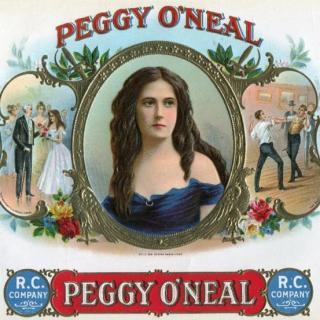
You’d better believe there have been "mean girls" since the beginning of time, or at least the early 1800s. Rigid social structures dictated the behavior of Jacksonian high society; it was the height of rudeness, for instance, if a lady did not return your call. However, in a social war that engulfed the beginning of Andrew Jackson’s presidency, society’s rules were discarded and the national government ground to a halt all for one woman: the beautiful and intelligent Margaret “Peggy” O’Neill.
In the late 1890s, many women in the capital city began to push for a more open society, pursuing higher education, living alone, and managing their own affairs. This was the dawn of the Bachelor Girl age, which shocked and appalled many in the Washington press.
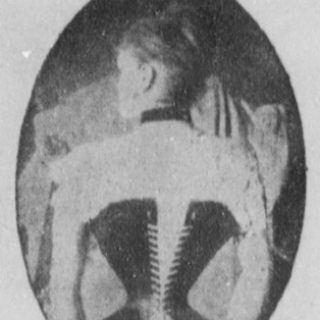
Women’s fashion is a complicated subject, but one doesn’t usually think of it as deadly. However, the fatal dance between health and beauty was a reality for Washington women wearing corsets in the 19th century.


![Sketch of the mythical fuan by Pearson Scott Foresman. [Source: Wikipedia]](/sites/default/files/styles/crop_320x320/public/2023-10/Goatman_Wikipedia_Faun_2_%28PSF%29.png?h=64a074ff&itok=C9Qh-PE1)