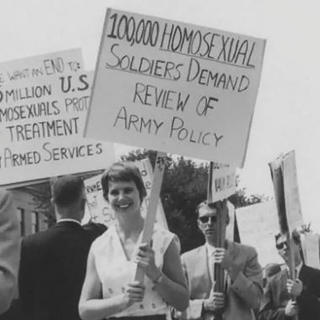
As a closeted lesbian in the 1960s, emotions of isolation, grief, and depression nearly drove Lilli Vincenz to suicide in her early twenties. But after being outed by a roommate and joining a gay rights organization, Vincenz worked tirelessly to prevent other gay, bisexual, and questioning women from feeling the same shame and loneliness. Key to her efforts (and beloved by its attendees) was the Gay Women's Open House, which operated out of her home for nearly a decade. This safe, nonjudgemental space to gather, converse, and laugh could be life-changing for its attendees.
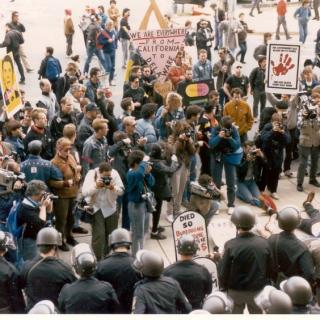
Though the AIDS epidemic had been raging for nearly a decade, by 1988, the FDA had only cleared a single drug to treat it. Frustrated with what they considered a deadly lack of initiative, AIDS patients, community activists, friends, and family marched to the FDA's headquarters in Rockville to demand more treatments, more urgency, and more understanding.
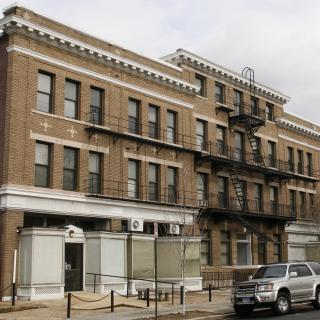
In December of 1986, parents were rushing to the stores to snatch a Cabbage Patch Kid, G.I. Joe or Teddy Ruxpin off the shelf before they were all gone. That same month, the generosity of a local benefactor was a touching reminder of what the holiday season is really about. On Dec. 21, 1986, Robert Alfandre welcomed 30 people infected with AIDS into his home in northwest Washington for a Christmas party.
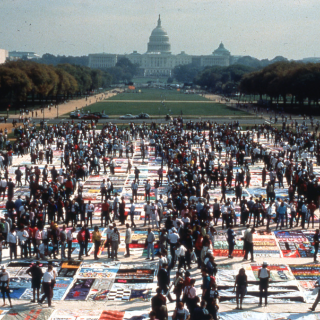
On October 11, 1987, Washingtonians woke up to an elaborate quilt blanketing the National Mall, with 1,920 panels stitching together the memory of thousands of individuals who had succumbed to the AIDS epidemic in America. The AIDS Memorial Quilt helped push the disease into mainstream America's consciousness. But for Washington's gay community, the battle against AIDS had been raging for almost a decade.


![Sketch of the mythical fuan by Pearson Scott Foresman. [Source: Wikipedia]](/sites/default/files/styles/crop_320x320/public/2023-10/Goatman_Wikipedia_Faun_2_%28PSF%29.png?h=64a074ff&itok=C9Qh-PE1)