Nathaniel Hawthorne, author of The Scarlet Letter, visited Washington, D.C. in 1862, as the Capital was gearing up for war against the Confederacy. If you remember Hawthorne at all from school, you won’t be surprised to find he had a lot to say.
You know who was just too fabulous for Washington. D.C. to handle? Oscar Wilde. He caused quite a stir when he visited in the January of 1882 as part of a lecture tour on the “Philosophy of Aestheticism”.
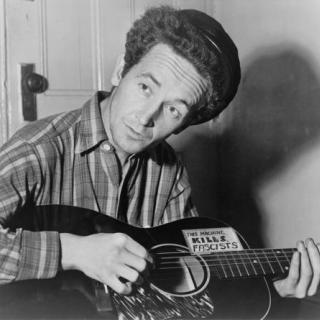
Huddie William Ledbetter, known as Lead Belly, was a legendary folk and blues musician famed for his twelve‑string guitar virtuosity, powerful voice, and the many standards he popularized. His songs have been covered by artists from Bob Dylan to Led Zeppelin. But one of his lesser known works hits closest to home: "Bourgeois Blues," a searing indictment of racial segregation in Washington, D.C.
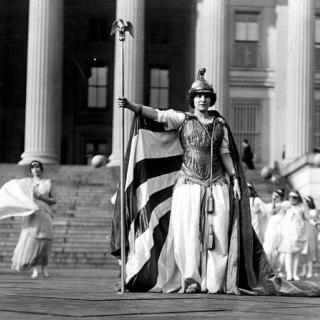
During World War II, the We Will Never Die – a Mass Memorial to the Two Million Dead of Europe pageant at Constitution Hall helped bring truth to power about the horrors of the Holocaust.
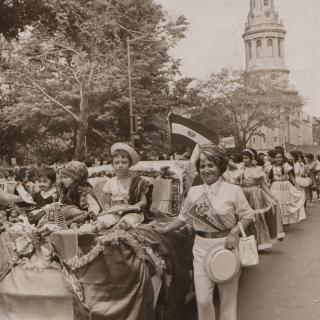
On April 16, 1862 Congress passed the District of Columbia Compensated Emancipation Act, freeing more than 3,100 people in the capital months before the Emancipation Proclamation and spawning an annual Emancipation Day celebration that was revived in 2005.
In April 1848, more than 76 enslaved people in Washington, D.C. slipped aboard The Pearl under the cover of darkness and the small schooner set sail down the Potomac. Backed by abolitionists including Daniel Drayton, the voyage promised hope but calm winds and betrayal turned it into one of the most dramatic failed escapes in American history.
Before he broke Major League Baseball's baseball’s color barrier, Jackie Robinson stole the show as a Negro League player for the Kansas City Monarchs. In a 1945 doubleheader against the Homestead Grays in Washington, 18,000 fans at Griffith Stadium watch Robinson tie a National Negro League record by going 7 for 7.
In 1865, Lewis Powell was tried and hanged along with three other conspirators for their roles in the Lincoln assassination. That should have been the end of the story, but his skull would later surface in an undertaker's collections, the Army Medical Museum, and the Smithsonian before being claimed and finally buried in Florida in 1994.
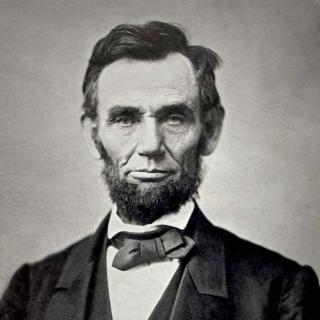
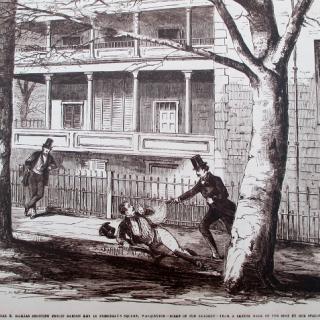
April 14th, 1865 was a pretty bad day for a lot of people. President Lincoln was assassinated, Clara Harris and Henry Rathbone had their lives torn apart, and Secretary of State William H. Seward was brutally stabbed along with most of his family and a few bystanders. Oh, you hadn’t heard about that last one?
Chuck Brown, Trouble Funk, Rare Essence, Minor Threat, SOA... If you lived in DC in the 1980s, you probably recognize these as local Go-Go and hardcore bands. If that's the case, the Corcoran Gallery of Art’s exhibit, Pump Me Up, is sure to invoke nostalgia. For those who have come here more recently, the exhibit offers a rare opportunity to see how much DC has changed in the last thirty years and how homegrown music was right at the center of the city's experience.