On February 2, 1959, four African American seventh‑graders walked into Stratford Junior High and became the first students to integrate a public school in Virginia. With over 100 Arlington County police officers in riot gear standing guard, it was an orderly and historic moment that helped break the state’s “Massive Resistance” to Brown v. Board and opened the door to wider desegregation across Virginia
On February 3, 1943, four military chaplains—Rabbi Alexander Goode, George Fox, Clark Poling, and Father John Washington—gave their life jackets to fellow soldiers and went down with the troopship Dorchester after a U-boat torpedo strike, a selfless act remembered each year with stamps, memorials, and ceremonies that honor their interfaith courage
In April 1938, the country was still trying to pull itself out of the Depression and there was a lot of conversation and debate about the role of government in business. (Hmmm. Sound familiar?) So, when car magnate - and frequent critic of FDR's regulatory New Deal policies - Henry Ford accepted the President's invitation to come to the White House for a private luncheon and discussion, it was big news.
Tomorrow, the Washington Nationals will announce a new Racing President to run against George Washington, Thomas Jefferson, Abraham Lincoln and longtime-lovable-loser-turned-late-season-winner, Teddy Roosevelt at each Nationals home game. D.C. is waiting with bated breath. So, who will it be? Here at Boundary Stones headquarters, we've been debating the issue.
When Charles Dickens visited Washington in 1842, he had a lot to say. But, perhaps nothing caught his eye — and ire — as much as Washingtonians' obvious love of chewing tobacco.
It seems that predicting the weather in Washington has always been a little bit of a crapshoot. Check out this cartoon that ran on the front page of the Washington Evening Star newspaper on January 17, 1913.
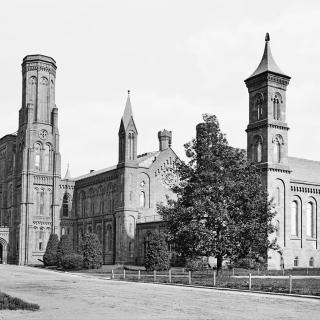
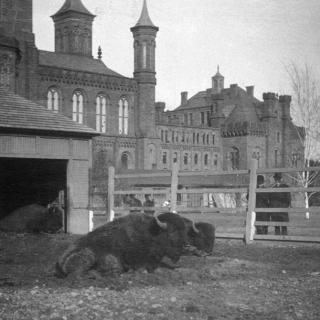
In 1873, the Kölnische Zeitung (Cologne Daily News) asked German anthropologist Friedrich Ratzel to take a trip to the United States and write a series of articles about life in America. He reached Washington in the winter of 1874 and, as a scientist, was particularly interested in the Smithsonian building.
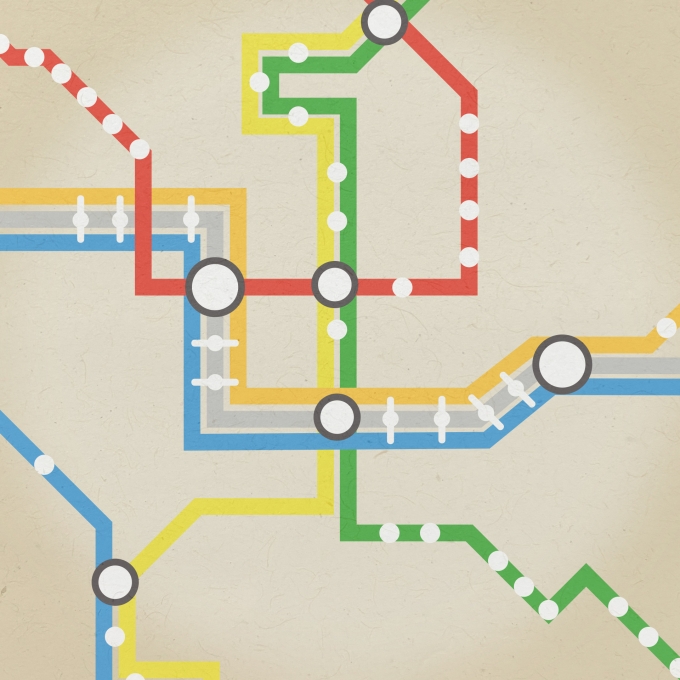
On January 13, 1982, a blizzard‑choked afternoon in Washington, D.C., turned catastrophic. Immediately after takeoff from National Airport, Air Florida Flight 90 plunged into the frozen Potomac River and clipped the 14th Street Bridge. Just minutes later, a Metro train derailed beneath the National Mall.
A street confrontation on April 13, 1832 turned violent when former Congressman Sam Houston savagely cane‑whipped Representative William Stanbery after bitter accusations about Indian affairs.
Local history isn't just for authors and documentary filmmakers. It's great fodder for artists, too! Just ask playwright Jacqueline Lawton who is currently working on a drama production entitled OUR MAN BEVERLY SNOW, inspired by the 1835 race riot in Washington, D.C.
In recent years the small brick building at 2507 N. Franklin Rd. in Arlington has been the home of coffee shops and eateries. That is quite a departure from the building’s previous life. From 1968-1984, this duplex was the national headquarters of the American Nazi Party. A swastika hung over the doorway (visible from busy Wilson Blvd half a block away) and khaki-clad “storm troopers” occupied the space, periodically clashing with neighbors.
From Sunday, December 30, 2012 through Tuesday, January 1, 2013 the National Archives is celebrating the 150th Anniversary of the Emancipation Proclaimation with a special display in the East Rotunda Gallery.