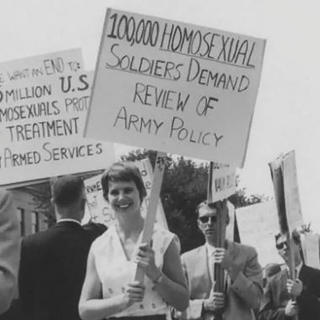
As a closeted lesbian in the 1960s, emotions of isolation, grief, and depression nearly drove Lilli Vincenz to suicide in her early twenties. But after being outed by a roommate and joining a gay rights organization, Vincenz worked tirelessly to prevent other gay, bisexual, and questioning women from feeling the same shame and loneliness. Key to her efforts (and beloved by its attendees) was the Gay Women's Open House, which operated out of her home for nearly a decade. This safe, nonjudgemental space to gather, converse, and laugh could be life-changing for its attendees.
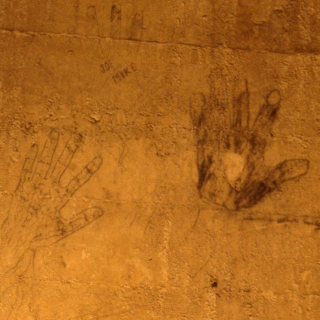
Beneath the Lincoln Memorial's gleaming marble columns lies a vast hidden basement — complete with century-old worker graffiti, naturally formed stalactites, and a tiny ecosystem that thrived undisturbed in the dark for decades.
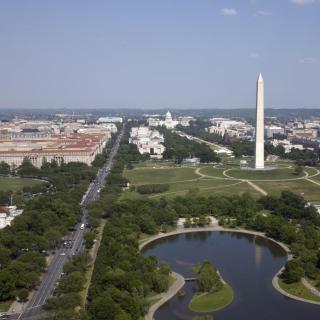
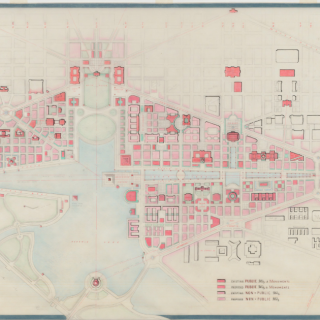
Should the National Mall really be a National Lake? Leon Krier thought so! The Luxembourgish architect came to D.C. in the 1970s and saw Washington as an unfinished sketch waiting to be painted in full. Read about his fantastical plans to "finish" our capital city.
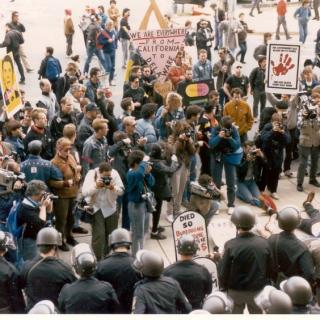
Though the AIDS epidemic had been raging for nearly a decade, by 1988, the FDA had only cleared a single drug to treat it. Frustrated with what they considered a deadly lack of initiative, AIDS patients, community activists, friends, and family marched to the FDA's headquarters in Rockville to demand more treatments, more urgency, and more understanding.
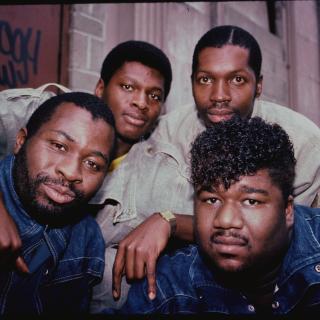
No doubt D.C. music fans were intrigued when they picked up the Washington City Paper on September 23, 1983: "Funk funk funk funk it up at the pick of the picks tonite…a combination of punk and funk that should be the hottest show of the summer." For the first time, Trouble Funk and Minor Threat would be performing together. The show melded D.C.'s dominant homegrown music styles, Go-go and Hardcore Punk, and promised to be a concert like no other.
Washington in the 1980s served as the backdrop for the emergence of hardcore punk and the straight edge movement. Fed up with what they believed was a culture of excess that had incorporated itself into the punk subculture of the 1970s, a small group of teenage Washingtonians decided to take matters into their own hands. The goal? "Renouncing the unattainable rock & roll myth, making music relevant for real people."
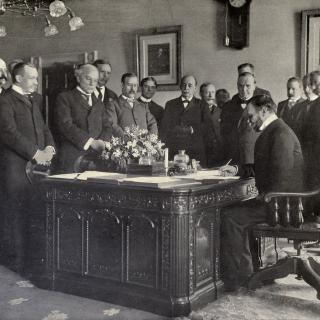
On a cold, overcast Tuesday morning in February 1981, something caught the eye of a museum technician as he walked through the “We the People” exhibit on the second floor of the Smithsonian National Museum of American History: The silver pen of President McKinley’s Secretary of State John Hay was missing. The 7 ¼-inch Parker Jointless pen had been used to sign the 1898 Treaty of Paris, ending the Spanish-American War.
But now, to the technician’s horror, its case was empty -- and there were more alarming discoveries to come.
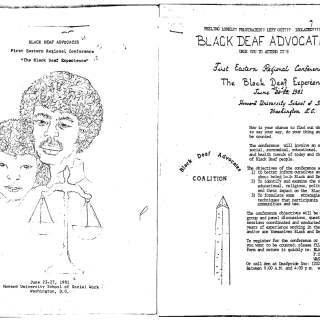
In June 1981, Black Deaf leaders gathered in Washington to sew the seeds of an organization that would have a profound impact on the Black Deaf community. After centuries of exclusion in both Black and Deaf spaces, organizers came together to make a space of their own. With goals to educate, empower, and strengthen the community, this conference led a call for Black inclusion and leadership in Deaf organizations locally and nationally.
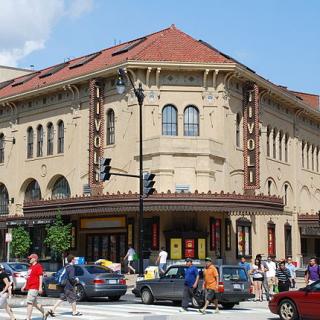
The Tivoli Theater's grand opening in 1924 was heralded by a grand parade and a carnival which attracted hundreds of Washingtonian's to the Golden Age movie theater. Yet, just over 50 years later, the Tivoli had its windows bolted up and doors closed, no longer the shining light in the Columbia Heights neighborhood. What followed afterwards was a dramatic decades-long fight over the fate of the Tivoli, bringing up questions surrounding urban renewal and the future of the neighborhood, which had suffered greatly after the 1968 riots following the assassination of Dr. Martin Luther King, Jr.
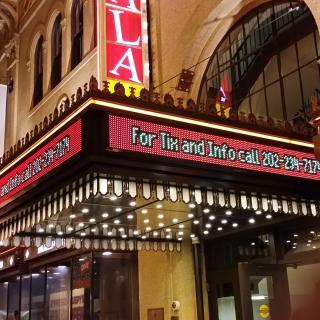
The 1970s and 1980s saw increased Latin American immigration to the United States, and to D.C. in particular. At the time, there was limited access to Latin American performing arts, something that Rebecca Read and Hugo Medrano sought to fix when they founded Grupo de Latinoamericanos Artistes (GALA) in 1976. They never expected, though, that GALA would take off and eventually become the National Center for the Latino Performing Arts.


![Sketch of the mythical fuan by Pearson Scott Foresman. [Source: Wikipedia]](/sites/default/files/styles/crop_320x320/public/2023-10/Goatman_Wikipedia_Faun_2_%28PSF%29.png?h=64a074ff&itok=C9Qh-PE1)